Just like most things in life, the single hardest part of the journey is the start. For journalists, this is the first pitch, the first word on the page, and the quest for that first byline.
There are a few key questions you need to answer before taking that first step. Firstly, what do you want to write about? This isn’t you ‘choosing your niche’ (it’s far too early for that), but there are hundreds of small, indy sites that could end up commisioning your first article, having an idea on what you may want to cover or what you’re already knowledgable about is a great start.
Secondly, what type of article do you want to produce? Guides, features, opinion, news are all fantastic formats to get started with, but you won’t have any luck pitching a political opinion piece to a travel guide website or international news to a lifestyle features page.
Thidly, you need to know the answer to ‘why would someone want to read this?’ This will guide you through the pitching process, while also honing that journalistic instinct.
What publications should I look for?
There are a few types of publications I would look at depending on your current circumstances. I know everyone dreams of their byline on a BBC, FT or Times stoy but that takes years of dedication. Here’s where to start out.
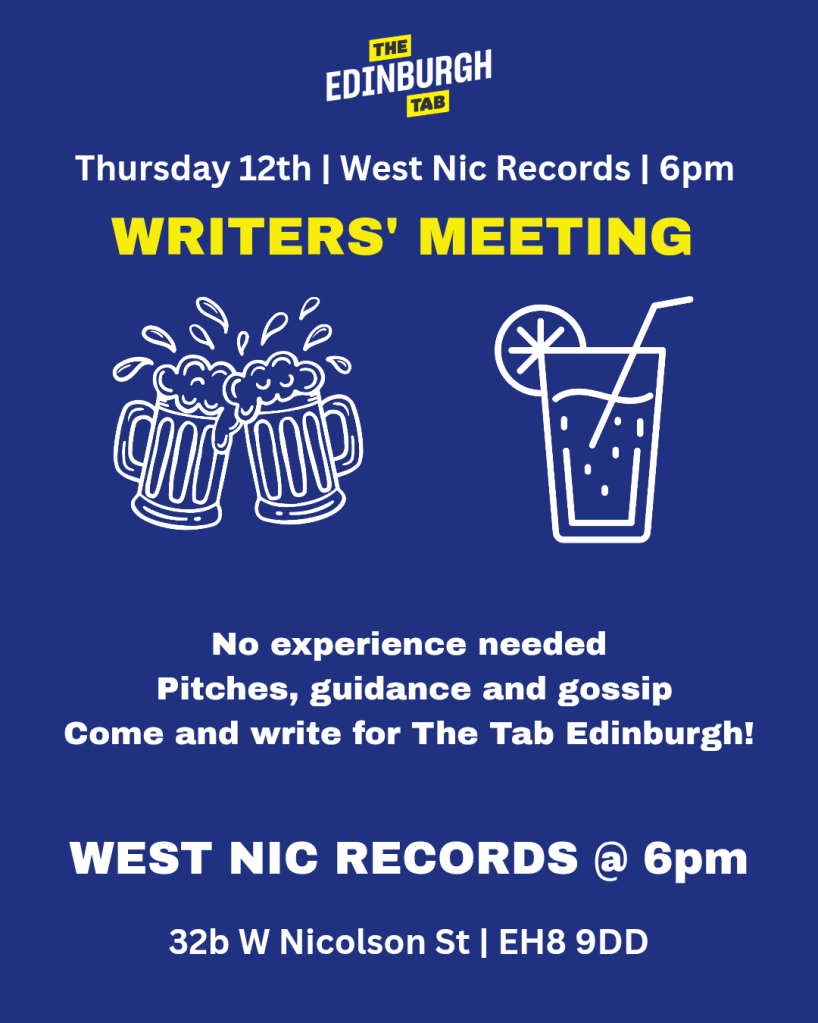
Firstly, where many journos start out is student media, whether that’s school newspapers, student socieites or publications like The Tab. These are generally made up of entirely students, meaning there’s a frequent rotation of editors, so if you like it you may even find yourself in an editorial position in a few months to a year. Most university’s have a student newspaper (or a Tab) where editors create a ‘pitch list’ every week. Writers can take any pitches (a fancy word for an idea for a story) that take their fancy and, with the help of the section editor, get their first byline without the challenge of cold pitching (emailing an editor an idea for a story without knowing if they are seeking new articles).
Here are some examples:
- The Student (University of Edinburgh
- Palatinate (Durham University)
- Gair Rhydd (Cardiff University)
- Pi media (UCL)
- The Tab (Local branches across many UK cities)
Secondly, there are the ‘locals’, virtually every town and city in the UK has at least one ‘local’ and likely a ‘regional’ as well, look for newspapers with names like ‘the [location] gazette’, ‘the [location] times’ or ‘the [location] post’. Most of these are owned by larger companies (Reach, Newsquest, DC Thomson and National World are all names you should keep in the back of your mind for later in the journey), which can sometimes be daunting, but editors are often happy to bring people in for a few days up to a few weeks for work experience.
Here are some examples:
Finally, there’s what I would call ‘the indies’, small, often online publications covering a given subject. There are hundreds out there that offer an easy route to a byline with supportive editorial teams made up of people who truly love what they’re doing.
Here are some examples:
It’s important to note here that in most of these cases the route taken is *unpaid*, but it doesn’t neccesarily have to be. While student media will likely never be a paid endevour, locals and indies are often on the lookout for specialists who can bring some non-journalism knowledge and experience to the publciation, so if you’re getting into the world of journalism from the world of law, politics, music or anything else, you can try your hand at more specialised publications or look out for editors seeking people with your skillset (Journo Resources newsletter is great for this).
Another approach you could take is starting your own website or blog. This is actually how I first started back at school (we didn’t have a school newspaper). A friend of mine was into coding and web development, so we joined forces to create a new website, The Young Observers (now defunct).
He designed the site while I made the content, covering everything from COP26 to anti-government protests in Sri Lanka. The team grew over time into its own little student newspaper. While it’s not been on my CV for a long time now, it was such a good building block right at the very beginning.
If I could have gone back in time now, I would have said to have started a newsletter or Substack as well, it looks to be the direction journalism is heading so why not jump on the wave and see if you can get some traction with your own personal brand or your own little creation.
How to pitch a story
If you’re writing for a student publication, this is likely a step you can skip as pitches will be provided to you, but if you’re looking to get a byline in a local or an indy you may need to pitch an idea to an editor, here’s what they’re looking for.
It’s important to note that editors are extremely busy, I’m talking wall-to-wall meetings on top of running a busy newsroom. This means your pitch needs to be short, snappy and eye catching. I’ve heard some editors say when they click on a pitch email they hope to see it less than 200 words, anything longer won’t get read. Others may stretch this to 400-500, but really if you’re getting that high you’re doing something wrong.
Quick template for pitching
- Give the editor a sample headline, and use this in the subject
- Pitch: Environmental campaigners slam ‘out of control’ AI data centres
- Introduce yourself but quickly
- Good morning [name of editor], I hope you’re well? My name is Jamie, quickly getting in touch with a pitch regarding [insert the core of the article]. Please see below.
- Outline the spine of the article, remember the 5 W’s. Who, what when, where and why.
- Who will you speak to?
- What is the topic and what is your angle?
- Why is this relevant now?
- Where is this relevant (local, regional, national, international?)
- Why are you the person to cover this? (Do you have contacts, experience or a unique angle on the topic? Even uni coursework on the subject could make you more appealing to an editor)
- When can you get this done by? Editors value quick turnaround, don’t expect weeks of preparation, days if not hours is more likely unless you are pitching a deeper investigation.
How to find the right person to contact
Even with a perfect pitch ready to send, sometimes finding the right person to contact is a difficult task. Resist the temptation to send a message off to the general ‘contact us’ email as this will be lost among a sea of press releases and PR contacts.
Instead, look for the section editor most aligned to your idea. Many smaller papers won’t have a fully fledged culture, climate or education section (although some do), but most will have a couple of sections, news, opinion and features for example.
If you don’t think there are any sections, try and find the editor in chief, at smaller publications they will be the ones distributing tasks to the rest of the team.
A lot of publications have a page showing all of their contributors, try plugging in emails like firstname.lastname@company.co.uk, you’d be suprised how many hits you’d get!
Another excellent tool is LinkedIn, search for the outlet you’re looking to pitch to and scroll down the list of employees until you find an editor. You can then send them a quick message similar to the pitch outlined earlier, I’ve found these messages actually have a higher rate of success as a pop-up notification is harder to miss than an email.
Your article doesn’t have to be perfect, but here’s some important tips

Take a breath, don’t worry. I’ve been writing for around four years now, and still everyday brings a new edit and a new mistake that I’ve missed. You don’t have to be perfect, in fact its far better to miss a couple of rogue commas than it is to miss a deadline or be late to a trending topic.
There are some big mistakes I see new writers make a lot though, so here’s a quick list of things to avoid:
- Long sentences. Keep things short, break up sentences and keep paragraphs to a couple of lines.
- Adjectives in news stories. Try to avoid as many adjectives as possible when reporting on news, while you may want to write about a ‘shocking event’, it’s generally better just to write about an ‘event’ or ’emergency incident’, keep it professional in tone.
- Having no pictures. A picture tells a thousand words! While some publications will source stock images for stories, where you can put your own ones in do it, it makes a huge difference.
- Going beyond your task. If you’re reporting on a news story or reviewing a movie, do that, then stop. Your article doesn’t need to be thousands of words (unless specified), do what you’re there to do and close the laptop, adding fluff for no reason is no help to anyone.
- Don’t have a sprawling intro and conclusion. Unless it’s opinion or features you don’t need a winding narrative like you would in an essay or a novel, get straight to the point, and close with relevant information e.g. contact info.
Conclusion
Get out there! There are so many publications hidden in plain site for you to get your first bylines. Start with locals, indies and student newspapers and see where they can take you (hint: far!).
When you find somewhere to pitch, make sure it’s short and sweet, remember the 5 W’s and explain quickly why you’re the best fit for the task.
When you do start writing, keep it simple, avoid dramatics and winding long sentences, focus on flow and clarity and you’ll be grand. Editors can be harsh, but that’s the best way to learn. Good luck!
 Newsroom Starter Pack
Leave a comment